Methamphetamine is a deadly problem in North Carolina, with far-reaching roots. Demand is so high that cartel members were able to set up stash houses and front businesses in metro Charlotte, as they sent it to counties across NC and other states, leading to more than 266 federal arrests.
At Southeastern Recovery Center in Charlotte, NC, we provide comprehensive, compassionate rehabilitation for Methamphetamine addiction. Our personalized programs are designed to help individuals safely detox, understand the root causes of a meth addiction, and build lasting recovery with support from a dedicated clinical team.

Methamphetamine is an addictive, synthetic stimulant that creates a high similar to cocaine, only it lasts longer. It’s also capable of being used in various forms, whether it’s being smoked, snorted, or injected.
Methamphetamine is addictive for two reasons:
People who take methamphetamine can grow dependent on its effects and become tired or anxious without it. Craving its positive benefits can quickly become an addiction as their body gets used to having it in their system and starts to suffer from withdrawal symptoms when they try to quit methamphetamine at home, without any medical help or support.
Despite the accelerating harm caused by meth, the majority of North Carolinians struggling with stimulant use disorder never access structured treatment. This table maps the treatment access gap at the state and national level, showing why connecting families to quality meth rehab near Charlotte, NC remains so difficult and so necessary.
| Treatment Barrier | How Wide the Gap Is | Where It Applies |
|---|---|---|
| US adults with SUD who did not receive treatment, 2024 | 95.6% went untreated; the gap widened from 2023 [1] | National |
| US individuals needing SUD treatment who received none, 2024 | 80% of the 52.6 million who needed treatment did not get it [2] | National |
| Adults with co-occurring mental illness and SUD, 2024 | 21.2 million Americans; 41.2% received neither type of treatment [2] | National |
| NC adults estimated to have a substance use disorder, July 2023 | 1 in 6 adults; 1 in 13 children ages 12 to 17 [3] | Statewide |
| NC substance use treatment beds per 100,000 residents, 2024 | 30 beds per 100,000; ranked #31 out of 50 states [4] | Statewide |
| NC counties without a buprenorphine prescriber, 2025 | 11 counties have no access [5] | Statewide |
| Meth co-use among people entering OUD treatment, 2011 to 2017 | Rose from 18.8% to 34.2%; meth increasingly complicates opioid treatment [6] | National |
Sources: [1] Behavioral Health Business, SAMHSA: Treatment Gap for SUDs Widens in Adults, 2025 [2] SAMHSA, Release of the 2024 National Survey on Drug Use and Health [3] NCIOM, Confronting North Carolina’s Behavioral Health Crisis: Access to Behavioral Health Issue Brief, 2025 [4] Becker’s Behavioral Health / KFF, Substance Use Treatment Beds Per 100,000 Residents by State, 2026 [5] NCDHHS, Expanding Access, Reducing Stigma: MOUD Conference Presentation, 2025 [6] PMC / NIH, Methamphetamine Use in the United States: Epidemiological Update and Implications for Prevention, Treatment, and Harm Reduction, 2022
At Southeastern Recovery Center, we understand the effects methamphetamine addiction can have on a person.
It's vital for anyone struggling with methamphetamine use to obtain expert intervention; attempting to cease drug usage without professional guidance is often not sustainable for long-term recovery. Effective treatment for meth addiction generally involves an all-encompassing plan, beginning with detoxification and continuing through to in-depth therapeutic interventions and a subsequent aftercare strategy. Southeastern Recovery Center offers the following range of treatment programs specifically designed for combating meth addiction.
Your presence here indicates that you're ready to take a step forward in helping yourself or someone close in dealing with this challenge. The good news is that bouncing back from alcohol addiction is achievable! This journey begins with a decision to stay away from alcohol. When you put in the work, there's a team right beside you, creating a safe and caring environment where you can focus on feeling better and growing stronger. If you're interested in finding out more about how to overcome alcohol addiction and regain control of life, just reach out to our recovery center.

Methamphetamine is a concern in North Carolina because usage and production is still high across the state. This presents a state level issue where access creates opportunity for more North Carolinians to get addicted to the drug.
When we zoom in to Methamphetamine usage locally:
While opioid usage is also climbing in North Carolina, the spotlight on opioids means the individual struggling with an addiction to Methamphetamines are more likely to go under the radar – until it’s too late.
Methamphetamine is still an ongoing problem in North Carolina. Just in 2025, authorities in Alamance County, North Carolina caught two men with 400 pounds of methamphetamine, the largest meth bus in Alamance County history. The battle against this drug is far from over, and individuals that are suffering from methamphetamine dependence or addiction still need support.
If you or someone you love in Charlotte, NC, is struggling with methamphetamine dependence, it’s important to know that help is available and recovery is absolutely possible.
Methamphetamine is no longer a rural or regional problem. It is deeply embedded in Charlotte-area drug trafficking networks and is driving a growing share of overdose deaths both statewide and nationally. The data below documents the scope of the meth crisis from the streets of Concord to the national stage, underscoring the urgency of accessible meth rehab in Charlotte, NC.
| Crisis Indicator | What the Data Shows | Where It Applies |
|---|---|---|
| Overdose deaths involving methamphetamine, Jan 2021 to June 2024 | 31.2% of all US overdose deaths involved meth [1] | National |
| Overdose deaths involving any stimulant, Jan 2021 to June 2024 | 59.0% of all overdose deaths involved a stimulant [1] | National |
| Psychostimulant overdose death rate increase, 2018 to 2023 | Rose from 3.9 to 10.4 per 100,000; nearly tripled in five years [1] | National |
| Psychostimulant deaths (primarily meth), 2024 | 37,096 deaths; increased even as total overdose deaths fell 27% [2] | National |
| NC drug overdose deaths, 2000 to 2023 | More than 41,500 North Carolinians lost their lives [3] | Statewide |
| Opioid involvement in meth overdose deaths, 2010 to 2019 | Increased from 34.5% to 53.5%; co-use is now the dominant pattern [4] | National |
| Federal cartel arrests tied to meth distribution in Charlotte and WDNC | Project Python: 600+ arrests, 350 indictments including Charlotte area residents [5] | Charlotte / Mecklenburg |
| Mecklenburg County overdose deaths, 2023 | 356 confirmed deaths; most recent full county data available [6] | Mecklenburg County |
Sources: [1] CDC MMWR, Drug Overdose Deaths Involving Stimulants, United States, January 2021 to June 2024 [2] CDC NCHS, U.S. Overdose Deaths Decrease Almost 27% in 2024, May 2025 [3] NC DPH, North Carolina Overdose Epidemic Data, 2024 [4] PMC / NIH, Methamphetamine Use in the United States: Epidemiological Update and Implications for Prevention, Treatment, and Harm Reduction, 2022 [5] Charlotte Observer, Charlotte Arrests Made in Crackdown on Mexican Drug Cartel, 2020 [6] QCity Metro, Overdose Deaths Surge in Mecklenburg County, 2025
While an individual does not necessarily become addicted to meth after the first use, it is incredibly likely for them to. This is because meth releases dopamine in the brain and boosts moods, which is a highly addictive sensation that individuals quickly become accustomed to.
Individuals can turn towards methamphetamine as a means to alleviate anxiety or depression, as a means to self medicate to address some sort of bodily pain, or simply because they want to try it recreationally.
Once an individual starts using methamphetamine regularly, the body will develop a dependence. At this stage, trying to quit methamphetamine will result in withdrawal symptoms such as fatigue, lack of sleep, intense cravings. This is what makes it so hard for an individual to stop taking methamphetamine on their own.
Our facility in Charlotte, North Carolina regularly gets calls from individuals who have tried to quit smoking meth on their own and realized they need to find local support. There’s no shame in this. In fact, it takes a lot of courage to reach out for help.
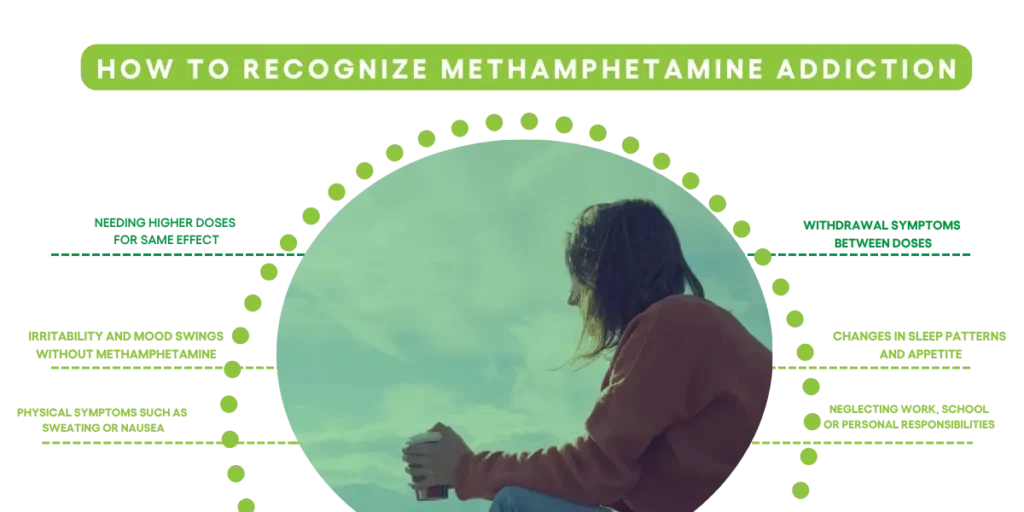
It can be difficult to recognize the signs that someone is on methamphetamine without prior awareness. Here are a few telltale behaviors that point towards an addiction:

Due to the withdrawal symptoms such as fatigue, dehydration, and drug cravings make it dangerous to attempt to detox from methamphetamine without proper care and guidance.
It’s vital for anyone struggling with methamphetamine use to obtain expert intervention; attempting to cease drug usage without professional guidance is often not sustainable for long-term recovery.
At Southeastern Recovery Center, our medically supervised detox program helps clients safely and comfortably eliminate methamphetamine from their system. We also create a personalized, all-encompassing plan that incorporates therapeutic interventions to address the underlying causes that would result in a North Carolinian using meth.
A stay at Southeastern Recovery Center in Charlotte, North Carolina to detox from methamphetamine means experiencing:
We understand that rehab for methamphetamine is a long-term process. That’s why we equip our patients with the soft skills and coping mechanisms required for long-term success.
Methamphetamine withdrawal typically begins within 24 hours after the last dose and for a duration anywhere from a couple days to weeks.
The worst, most acute withdrawal symptoms such as anxiety and dysphoria last for the first 7 to 10 days. This is also when methamphetamine cravings are said to be at the highest. This is where being an inpatient at a local North Carolina facility with 24/7 monitoring and medical professionals on hand can help guide an individual through the methamphetamine detox.
After the acute withdrawal period, mild symptoms such as increased appetite and vivid dreams may continue for a period of 2 to 3 weeks.
Whether you have a short withdrawal period or an extended one, inpatients at our Charlotte facility will receive all the necessary therapy, counseling, and relapse prevention required for recovery.
Untreated meth addiction carries a documented cascade of physical, neurological, and social consequences that worsen the longer treatment is delayed. The data below reflects what is at stake for individuals in Charlotte and across North Carolina when structured meth rehab is not accessed in time.
| What Is at Stake | The Evidence | Where It Applies |
|---|---|---|
| Cardiovascular consequences of meth use | Meth is associated with myocardial infarction, cardiomyopathy, arrhythmias, and pulmonary hypertension [1] | National |
| Neurological consequences of meth use | Long-term use causes memory loss, psychosis, stroke, and dopaminergic brain damage [1] [2] | National |
| Systemic organ consequences of meth use | Meth use can trigger rhabdomyolysis, acute kidney failure, and acute liver failure [1] | National |
| Meth and opioid co-use: treatment complexity | People who use both are less likely to receive MOUD, more likely to overdose, and harder to treat [3] | National |
| Psychostimulant overdose death rate increase, 2018 to 2023 | Rose from 3.9 to 10.4 per 100,000; deaths nearly tripled despite national awareness efforts [4] | National |
| NC overdose deaths with co-occurring mental health disorder | 1 in 4 overdose deaths in NC also involved a diagnosable mental health condition [5] | Statewide |
| Economic cost of untreated drug and alcohol abuse in NC | More than $6.8 billion annually in healthcare, lost productivity, and criminal justice costs [6] | Statewide |
Sources: [1] PMC / NIH, Methamphetamine Use: A Narrative Review of Adverse Effects and Interventions, 2022 [2] NIDA, Methamphetamine Research Topic Overview, 2024 [3] PMC / NIH, Methamphetamine Use in the United States: Epidemiological Update and Implications for Prevention, Treatment, and Harm Reduction, 2022 [4] CDC MMWR, Drug Overdose Deaths Involving Stimulants, United States, January 2021 to June 2024 [5] NC DPH, North Carolina Overdose Epidemic Data, 2024 [6] UNC School of Medicine, Costs of Alcohol Abuse in North Carolina
At Southeastern Recovery Center, our approach to rehab for methamphetamine combines the scientific with the empathetic. Our goal with treatment is to heal the individual entirely, which means addressing mental health, physical health, spiritual well-being, and environmental factors.
At our North Carolina rehab facility, we treat methamphetamine addiction with a combination of:
Whether you’re coming from Fayetteville or Raleigh, know that we treat all patients with the same comprehensive, personalized care to guide a smooth path to recovery.
We firmly believe that the impact of addiction spreads to friends and even family, hence why we help our patients work through repairing familiar relationships as part of the healing process.
Families in Charlotte and throughout North Carolina can help individuals that they believe need rehab for methamphetamine by:
At Southeastern Recovery Center, we’re happy to create space for families in North Carolina to participate in an individual’s rehab for methamphetamine.

Maintaining sobriety from a methamphetamine addiction requires ongoing support and structure. We help our patients in Charlotte and across North Carolina to remain sober long-term through our:
Remember: Relapse does not mean failure. Rather, it’s a sign that more support is needed in order to complete rehab from methamphetamine.
Methamphetamine stays in the system longer than most drugs, lasting days, weeks, and even months, which can be picked up on various drug tests.
Medical detox is not always required for methamphetamine addiction, but it is strongly recommended since methamphetamine withdrawals can be potent and life-threatening.
Yes, you can force someone to go to Methamphetamine rehab in North Carolina due to our state’s involuntary commitment laws. A concerned individual can have someone struggling with mental health or substance abuse committed to a North Carolina rehab or treatment facility.
Yes, Southeastern Recovery Alcohol Rehab is LGBTQ+ inclusive. In fact, we’re also inclusive and accommodating as a source for rehab for women in North Carolina as well. In all ways, we strive to offer a safe, inclusive, and affirming environment for individuals of all identities and backgrounds.
Methamphetamine addiction affects the brain, body, and behavior in ways that become increasingly difficult to hide or ignore. Common signs include:
Recognizing these signs in yourself or someone you love is not a reason for shame. It is a reason to reach out. SERC’s admissions team is available 24/7 and will treat you with compassion from the first call.
Yes, the brain can heal from methamphetamine use, though recovery takes time and active support. Meth disrupts the brain’s dopamine system by flooding receptors and then destroying them over time. This is why people in early recovery often experience a prolonged inability to feel pleasure, deep depression, and intense cravings even after the drug is out of their system. These are not character flaws. They are biological symptoms of a damaged reward system working to repair itself.
Research shows that with sustained abstinence and structured treatment, dopamine receptors can regenerate. Clinical treatment accelerates this process by providing:
Recovery from meth is not fast, but it is real and it is possible. SERC’s program is built around exactly the kind of sustained, evidence-based support the brain needs to begin healing.
Methamphetamine addiction responds best to behavioral therapies, and SERC’s program incorporates the evidence-based approaches most proven effective for stimulant use disorders. Treatment at SERC includes:
All therapy is delivered by licensed clinicians and tailored to each client’s individual history and needs. Because no FDA-approved medication currently exists to treat meth addiction specifically, behavioral therapy is the backbone of recovery, and SERC’s clinical approach reflects that reality.
Currently, there are no FDA-approved medications specifically for treating methamphetamine use disorder. This is an important distinction, and you may find some providers who suggest otherwise. SERC will not mislead you on this point.
Unlike opioid or alcohol use disorder, where FDA-approved medications (such as buprenorphine, naltrexone, or acamprosate) are available, meth addiction does not yet have an equivalent pharmacological option. Research is actively underway and some off-label medications may be used to address specific symptoms such as depression or sleep disruption during early recovery, but there is no approved MAT protocol for meth itself.
What does work is structured behavioral treatment. SERC’s program for meth addiction is built on the therapies with the strongest evidence base: CBT, Motivational Interviewing, trauma-focused care, and individualized relapse prevention. If you also have an opioid or alcohol use disorder alongside meth use, MAT can be integrated into your treatment plan for those specific diagnoses.
Yes. Outpatient treatment is a clinically appropriate and effective level of care for methamphetamine addiction once the acute phase of withdrawal has stabilized. Research and clinical outcomes consistently show that structured outpatient programs, particularly PHP and IOP, produce strong recovery results for meth when they incorporate the right therapies.
SERC offers two outpatient levels of care for meth addiction:
Outpatient treatment may not be appropriate for everyone. If you are in active withdrawal, living in an environment that is unsafe for recovery, or require 24/7 medical supervision, SERC’s admissions team will help coordinate the right level of care before you begin our program.
Most major insurance plans are required to cover methamphetamine addiction treatment under the Mental Health Parity and Addiction Equity Act (MHPAEA). This federal law mandates that substance use disorder treatment, including care for stimulant use disorders like meth, be covered at the same level as medical and surgical benefits.
SERC accepts most major insurance plans.
Our admissions team provides free insurance verification, typically completed within a few hours. We will walk you through your benefits, explain any out-of-pocket costs, and help identify payment options if a gap in coverage exists. Cost should not be the reason someone does not get help.
Yes. Co-occurring mental health conditions are extremely common among people with meth addiction, and SERC’s integrated dual diagnosis program treats both simultaneously. Meth use is strongly associated with depression, anxiety disorders, PTSD, and trauma, both as triggers for use and as consequences of it. Treating only the addiction without addressing mental health, or vice versa, significantly increases the risk of relapse.
SERC’s dual diagnosis approach includes:
You do not have to choose between getting help for your mental health and getting help for your addiction. At SERC, those conversations happen in the same room, with the same team.
The right level of care depends on where you are in your recovery, the severity of your addiction, and your home environment. SERC conducts a thorough clinical assessment at intake to match each client to the appropriate program. Here is a general guide:
PHP (Partial Hospitalization Program) is typically recommended if you:
IOP (Intensive Outpatient Program) is typically recommended if you:
Both programs use the same evidence-based therapies and are staffed by SERC’s licensed clinical team. Many clients begin with PHP and transition to IOP as they stabilize, creating a seamless continuum of care within one program.
Completing a PHP or IOP program is a major milestone, but long-term recovery from methamphetamine requires a continuing care plan that supports you after formal treatment ends. SERC builds each client’s aftercare plan before discharge so there is no gap between the end of treatment and the next layer of support.
Aftercare at SERC can include:
The months following treatment are often the most vulnerable period in meth recovery, particularly as the brain continues to heal and cravings can resurface. Having a structured aftercare plan is not optional. It is part of the treatment itself.
Getting started is simpler than most people expect, and you can begin the process today. SERC’s admissions team is available 24 hours a day, 7 days a week, and every call is free and confidential.
Here is how the process works:
You do not need to have everything figured out before you call. The first step is just picking up the phone.
Finding the best rehab for methamphetamine in North Carolina requires a look at various factors such as inpatient and outpatient programs. Here are some key factors to consider:
At Southeastern Recovery Center, we meet all of these criteria and more. Our focus on holistic treatment that addresses the underlying factors that lead to needing rehab for methamphetamine in the first place improves the outcomes of our patients. Our goal is equipping an individual with all the tools they need to maintain long-term sobriety.
From your first phone call to the day you graduate from treatment, our team provides step-by-step support.
Our mission is simple: to provide the highest level of care possible so that every client leaves stronger, healthier, and ready to thrive.
While treatment will vary at rehab centers in Charlotte and across North Carolina, Southeastern Recovery Center stands out with its focus on holistic healing. This means we help rebuild our patients’ lives and habits physically, mentally, and spiritually to address problematic behaviors that lead to needing rehab for Methamphetamine in the first place.
We serve individuals from Fayetteville, Wilmington, Charlotte, Durham, and throughout North Carolina who are seeking trusted, compassionate care for Methamphetamine addiction and other substance use disorders.
Our experienced team, state-of-the-art facility, and commitment to personalized care make us a leading choice for those seeking Methamphetamine rehab.

The first step on the road to recovery involves detox, a process that clears the body of toxins. It's highly important for individuals dealing with alcohol addiction to go through detox with medical guidance. Withdrawal symptoms from alcohol aren't just uncomfortable—they can be serious and even life-threatening. Having medical support is crucial in handling symptoms like seizures and delirium tremens. If needed, Southeastern Recovery Center can provide assistance in finding a nearby detox facility.
We recognize the uniqueness of each individual's requirements. Our center welcomes people from diverse backgrounds and life paths. Our dedicated team of addiction experts collaborates with each person to craft a customized treatment roadmap that aligns with their distinct situations, obstacles, and aspirations. These plans remain adaptable, flexible to change as necessary, reflecting the person's advancement and reaction to specific therapies
At Southeastern Recovery Center, we have a modern way of dealing with both dual diagnosis and addiction, leaving behind old methods. Our treatment combines proven therapy with holistic healing techniques, making sure every client gets the best care possible. Our main goal is to help you recover for the long term, so you can leave our alcohol and drug rehab program with the skills and tools to avoid needing rehab again.

If you or a loved one are interested in learning more about what to expect when getting help for drug or alcohol addiction, please fill out our brief form and download the eBook. You can also give our admissions team a call & we would be happy to answer any questions your may have. Help is only a call away!
If you or a loved are struggling with alcohol addiction, please reach out to our team today. Many treatment centers take a one-size-fits-all approach when treating addiction which isn't effective...At SERC, we understand that each client has their own story which led them to seeking help. We put emphasis on individualized care, tailoring treatment based on the specific needs of each client.

Reach Out For Help! ⮕

Create A Recovery Plan! ⮕

Begin The Healing Process! ⮕
![Southeast (2) [Recovered]-07 2](https://serecoverycenter.com/wp-content/uploads/2023/08/Southeast-2-Recovered-07-2.webp "Southeast (2) [Recovered]-07 2")